

Written by Luisa Kos
Table of contents


Understanding trauma & PTSD
Trauma refers to the emotional response to a deeply distressing or disturbing event. It can be caused by a single incident, such as an accident or assault, or develop over time from prolonged exposure to stress, like childhood neglect or abusive relationships.
Post-Traumatic Stress Disorder (PTSD) is a condition that can develop after experiencing or witnessing trauma. It affects how the brain processes memories, emotions, and stress, often leading to distressing symptoms that interfere with daily life.
Common symptoms of trauma & PTSD
Everyone responds to trauma differently, but common symptoms include:
- Flashbacks or intrusive memories
- Nightmares and sleep disturbances
- Avoidance of people, places, or situations that trigger distressing memories
- Feeling constantly on edge, irritable, or easily startled
- Emotional numbness or detachment from loved ones
- Difficulty concentrating or feeling overwhelmed by emotions
The impact of trauma on mental health
Untreated trauma can have a long-term impact on mental and physical health. It may contribute to anxiety, depression, substance use, and relationship difficulties. Some people also develop complex PTSD (C-PTSD), which involves more persistent emotional and behavioural challenges.
Getting help for trauma & PTSD
Recovery from trauma is possible with the right support. Therapy can help process difficult emotions, reduce distressing symptoms, and develop healthy coping strategies. Common approaches include:
- Trauma-Focused Cognitive Behavioural Therapy (TF-CBT) – Helps reframe negative thought patterns linked to trauma.
- Eye Movement Desensitisation and Reprocessing (EMDR) – A structured therapy that helps the brain reprocess traumatic memories.
- Somatic therapy – Focuses on the body’s response to trauma, helping release stored tension.
- Mindfulness & self-regulation techniques – Reduces stress and promotes emotional stability
PTSD can develop immediately after someone experiences a disturbing event, or it can occur weeks, months or even years later.
NHS
Find a trauma therapist
Therapists who can help with Trauma and PTSD
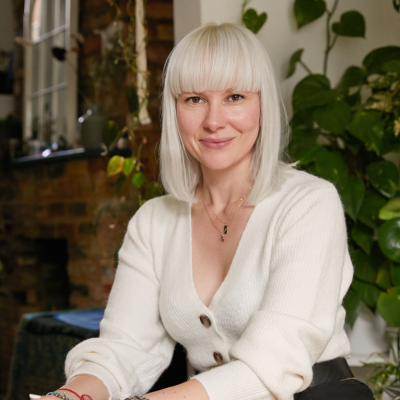
Claudia Behnke
I am a qualified couples counsellor and psychotherapist based in Westcliff-on-Sea (near Chalkwell Park), offering therapy in person and online via Zoom. I specialise in relationship counselling, attachment-based work, and relational patterns, helping couples and individuals improve communication, strengthen emotional connection, and navigate relationship challenges. My primary couples modality is Terry Real’s Relational Life Therapy (RLT), an evidence-based approach focused on accountability, emotional honesty, and building secure, respectful partnerships. I also have specialist experience working with codependency and love addiction, supporting clients to move out of unhealthy relational dynamics and develop healthier boundaries and self-worth. I work with a wide range of issues including relationship conflict, emotional disconnection, infidelity, trust issues, intimacy concerns, anxiety, self-esteem, identity transitions, and life stress. My practice is inclusive and affirming, welcoming clients of all genders, sexual orientations, relationship structures, and cultural backgrounds. My integrative approach draws on Relational Life Therapy (RLT), trauma-informed therapy (Janina Fisher), Psychodynamic therapy, Imago relationship therapy, and Transpersonal psychology, allowing sessions to be tailored to each client’s unique needs and goals.
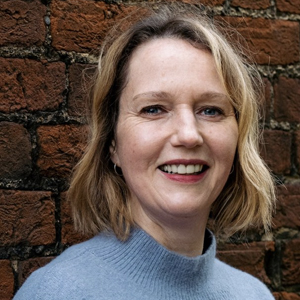
Katherine Watt
I’m a warm, perceptive and experienced therapist, trained in the person-centred approach. Person-centred counselling offers a supportive space in your life, where you can explore your feelings and experiences at whatever pace is comfortable for you.

Arran Thomas
I find seeking therapy usually starts with seeds of hope. Hope for things to change, to become ‘unstuck’, to have understanding, to find peace. As a qualified counsellor I offer a compassionate, supportive space to cultivate these seeds of hope so that you can grow to overcome the issues you face and move forward to a more positive place. – My Approach – Everyone has an inherent wisdom within themselves towards healing and transformation through the struggles or difficulties of life. My role is to facilitate this journey, give it a nudge in the right direction. When we initially meet, I will apply gentle curiosity to explore what brings you to therapy and together we can have a look at what you might want to gain from the process. My aim is for you to feel seen, heard and warmly accepted. I value the 3 A’s as a rough guide for what can emerge from the issues you choose to bring: – Awareness through exploring thoughts, feelings, behaviours, patterns and responses to stress. You will come to recognise how these have been shaped by life experiences. – Acceptance expands from awareness, of different parts of yourself, your story, your identity, your past, the present, the other people in your life. – Accountability strengthens with acceptance and awareness, an increasing sense of empowerment, choice and freedom in how you want to move forward and live your life with resilience. Whether it is anxiety, relationship difficulties, depression, low self-esteem, grief, trauma, abuse, addiction or feelings of shame, anger, overwhelm, confusion and loneliness, you don’t have to struggle alone with these issues.

Luq Adejumo
I have Master’s degree (MSc) in Person-centred psychotherapy and a Diploma in Contemporary Person-centred psychotherapy from The Metanoia Institute
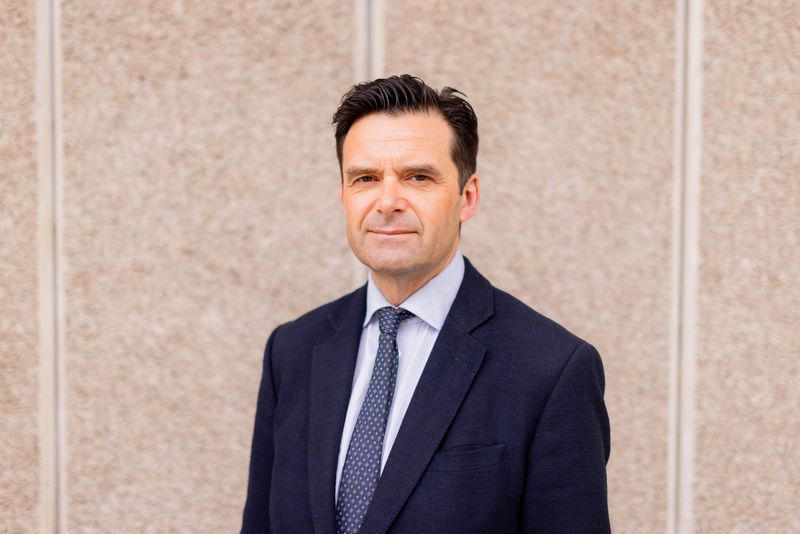
Eoghan Naughton
I am a BPS chartered counselling psychologist with extensive experience and skills in working with psychological and emotional problems in the NHS and other settings. I offer short-term, long-term and open-ended therapy at my office in Fitzrovia. I offer a safe and confidential treatment setting and seek to facilitate therapeutic progress towards healing and living a more fulfilling life. I am accredited with the BPC (British Psychoanalytic Council) as a dynamic interpersonal therapist and supervisor. Areas of Specialism Extensive experience in workng with trauma, depression, anxiety, high stress work related issues, relatiional difficulties and many other varied presentations. Personal Approach Person centred approach focusing on understanding the conscious and unconscious aspects of a person’s psychology in order to help with mental pain.
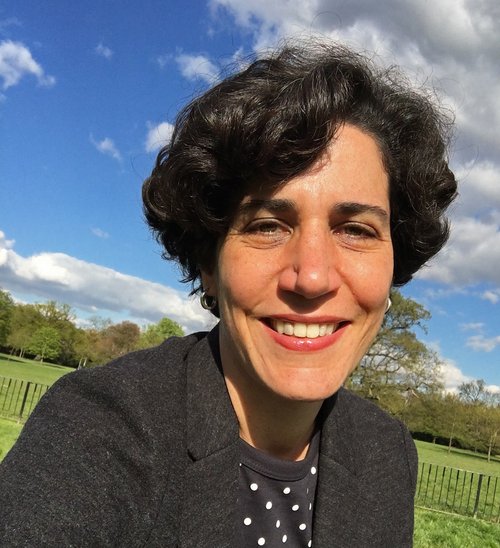
Luisa Kos
I am a psychodynamic psychotherapist trained at WPF and Tavistock Relationships, and a registered member of the BACP. Since qualifying in 2015, I have worked with both couples and individuals in South London, offering short and long-term therapy in person and online. I founded Dulwich Psychotherapy and South London Therapy Group, where I run a private practice and manage therapy rooms that host a community of around 20 practitioners. Before retraining, I spent 15 years in advertising and publishing, holding senior roles in user experience in New York and London, which gives me a unique perspective on the challenges of high-pressure professional environments.
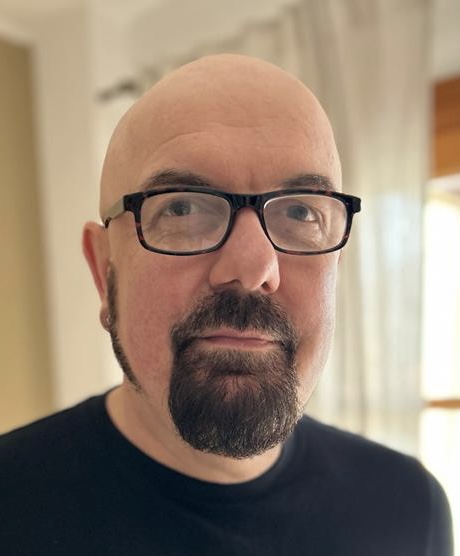
James Crossland
I am an integrative counsellor with experience working with individuals and couples, specialising in relationship and attachment issues, childhood trauma, and patterns rooted in early relational experiences. My work includes supporting clients with anxiety, depression, low self-esteem, addiction and problematic behaviours, burnout, and major life transitions. Prior to qualifying as a counsellor, I worked for many years in the creative industries as an international music producer, which gives me a strong understanding of high-pressure, performance-driven environments and informs my work with creatives and professionals.

Millie Gentle
I’ve worked as a counsellor for over 10 years, working in private practice, for charities and EAPs. I’ve been in private practice since 2019, working with clients facing a number of different issues. My main areas of expertise are; – Bereavement and loss – New parenthood/pregnancy and post-natal anxiety and depression – Sexual trauma – Anxiety / self-confidence and self-esteem issues – Relationship and family issues Prior to being a therapist, my career was in film and theatre. I work with a lot with people in these industries and I also work for an Arts organisation that connects those who work in the Arts with therapy.
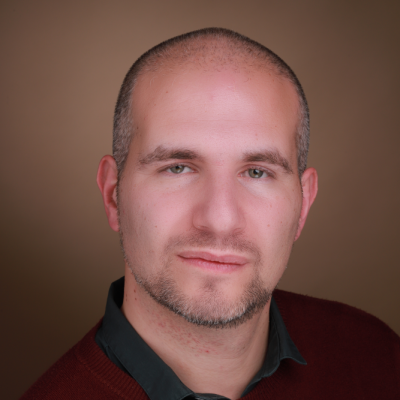
Steve Altman
I am a UKCP-accredited psychotherapist with a background in frontline mental health support, including work as a Samaritan, peer support worker, and co-ordinator of a suicide-prevention respite sanctuary. I have extensive experience supporting people with trauma, emotional distress, and suicidal thoughts. This work has shaped a calm, compassionate way of working that helps people reconnect with meaning, creativity, and their capacity for life.
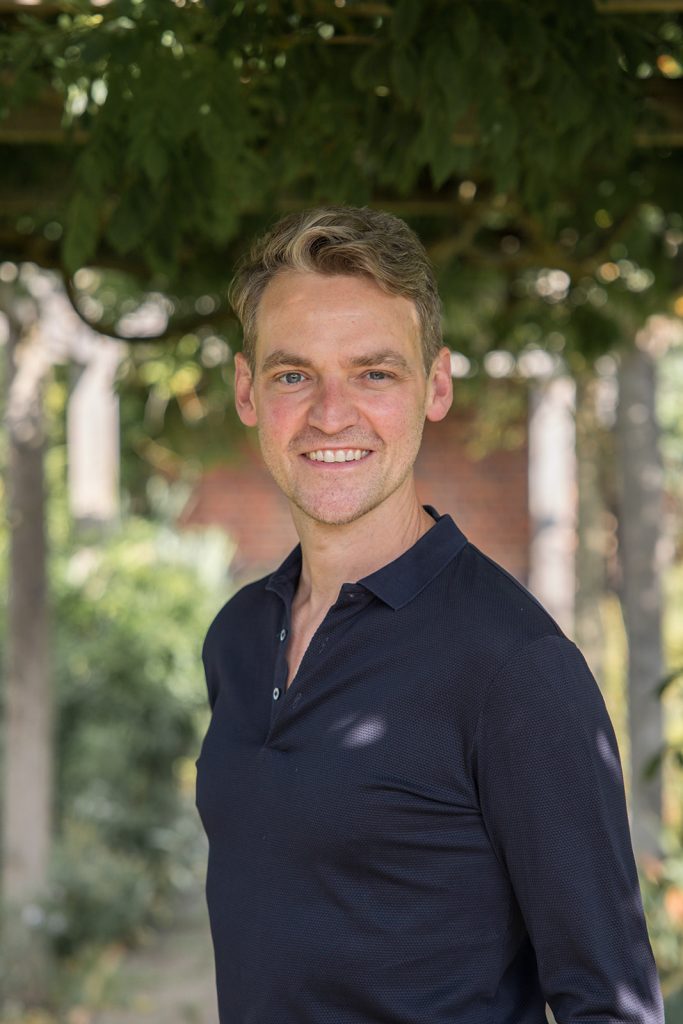
Peter Reynolds
I hold an Advanced Diploma in Integrative Counselling. My training draws on a range of therapeutic approaches, which allows me to adapt my work to suit the needs of each individual client. Before training as a counsellor, I worked for many years in the arts, where I developed a deep interest in people’s stories, emotions and inner worlds — an interest that eventually led me to counselling. Alongside my private practice, I have worked in a bereavement charity and in LGBTQ+ mental health services. These experiences have given me particular insight into grief, loss, identity and the impact of marginalisation — all of which continue to inform my work today.
Treatment for trauma & PTSD
If you are struggling with trauma or PTSD, seeking professional support can be a vital step toward healing. Trauma therapy helps process distressing experiences, reduce symptoms, and develop coping strategies to regain control over your life.
There are several treatment options available, and the best approach will depend on your individual needs. According to the National Institute for Health and Care Excellence (NICE), talking therapies should be offered as a first-line treatment before medication is considered.
Trauma therapy & counselling
- Trauma-Focused Cognitive Behavioural Therapy (TF-CBT) – Helps process traumatic memories and change unhelpful thought patterns.
- Eye Movement Desensitisation and Reprocessing (EMDR) – Uses guided eye movements to help the brain reprocess distressing memories.
- Somatic therapy – Focuses on how trauma is stored in the body and helps release tension and stress.
- Compassion-Focused Therapy (CFT) – Aims to reduce feelings of shame and self-criticism related to trauma.
Speaking with a trauma-informed therapist can help you navigate your healing journey in a supportive and structured way.
Tips for managing trauma & PTSD
Talk to someone
Opening up to a trusted friend, family member, or therapist can help relieve emotional burdens. Feeling heard and supported can make a big difference in processing difficult emotions.
Focus on your breathing
Trauma can make your body feel on high alert. Deep, controlled breathing can activate the body’s relaxation response and help ease feelings of anxiety or panic. Try this simple technique:
- Inhale deeply for four seconds.
- Hold your breath for four seconds.
- Exhale slowly for six seconds.
- Repeat until you feel calmer.
Ground yourself in the present
If flashbacks or intrusive thoughts arise, grounding techniques can help bring you back to the present moment. Try:
- Naming five things you can see, four you can touch, three you can hear, two you can smell, and one you can taste.
- Holding a textured object, such as a stone or fabric, to help reconnect with reality.
Prioritise self-care
Regular exercise, good sleep, a balanced diet, and mindfulness practices can support emotional regulation and overall well-being.
Find a trauma therapist
If trauma or PTSD is affecting your daily life, professional help can be life-changing. Our directory connects you with qualified therapists who specialise in trauma recovery. Start your healing journey today.
Self-Help Strategies for Trauma & PTSD
Keep a Journal
Writing down your thoughts and emotions can help you process trauma and recognise patterns in your triggers. Journaling allows you to track distressing moments, how you responded, and what helped you cope. Be sure to note positive experiences as well—reminders of resilience can reinforce your sense of control and progress.
Practice Mindfulness
Activate the Vagus Nerve
- Deep, slow breathing – inhale for four seconds, exhale for six.
- Cold exposure – splash cold water on your face or take a cold shower.
- Humming or singing – the vibrations help activate the vagus nerve.
- Self-massage – gently massaging the neck and shoulders can promote relaxation.
Stay Active & Nourish Your Body
Explore Holistic Therapies
Complementary therapies such as yoga, meditation, acupuncture, and aromatherapy can support trauma recovery by promoting relaxation and stress relief. If you struggle to unwind, exploring guided sessions or professional treatments may be helpful.
Join a Support Group
Connecting with others who have experienced trauma can provide comfort, validation, and practical coping strategies. Whether in-person or online, support groups create a sense of community and remind you that you’re not alone.
Healing from trauma is a journey, but with the right tools and support, recovery is possible. If you’re struggling, consider speaking to a professional therapist who specialises in trauma and PTSD.
What Should I Look for in a Trauma & PTSD Therapist?
There are no strict laws governing the specific qualifications a therapist must have to treat trauma and PTSD, but choosing a qualified and experienced professional is crucial. The National Institute for Health and Care Excellence (NICE) provides guidelines on effective treatments for PTSD, recommending evidence-based therapies such as Trauma-Focused Cognitive Behavioural Therapy (TF-CBT) and Eye Movement Desensitisation and Reprocessing (EMDR).
Key Factors to Consider When Choosing a Therapist:
- Specialisation in Trauma & PTSD – Look for therapists trained in trauma-focused approaches like EMDR, TF-CBT, or somatic therapy.
- Accreditation & Qualifications – Ensure they are registered with a recognised body such as the British Association for Counselling and Psychotherapy (BACP) or UK Council for Psychotherapy (UKCP).
- Therapeutic Approach – Different therapies work for different people; ask about their methods and how they align with your needs.
- Experience & Client Reviews – Consider their experience in treating PTSD and, if available, client testimonials.
- Comfort & Connection – A strong therapist-client relationship is key to healing, so trust your instincts about how comfortable you feel.
In the first instance, doctors may recommend self-help resources or support groups. However, if symptoms persist or worsen, professional therapy is advised. In some cases, a combination of therapy and medication may be considered.
Read the full NICE guidelines: Post-Traumatic Stress Disorder: Management