

Home / Our services / Addiction and substance abuse
What's worrying you?
Addiction and substance abuse
Written by Luisa Kos
Table of contents


Why therapy is essential for addiction recovery
Addiction is not just about substance use—it often stems from deeper emotional pain, trauma, stress, or mental health challenges. Many people turn to substances or addictive behaviours as a way to cope, only to find themselves caught in a cycle that feels impossible to break. Therapy offers a structured and supportive way to understand and address addiction at its core.
Key benefits of therapy for addiction:
- Identifying the root causes – Understanding the emotional, psychological, and environmental factors that contribute to substance use.
- Developing healthier coping strategies – Replacing addictive behaviours with sustainable, positive coping mechanisms.
- Managing triggers and cravings – Learning how to recognise and handle situations that increase the risk of relapse.
- Rebuilding relationships and restoring trust – Addressing the impact of addiction on family, friendships, and work.
- Addressing co-occurring mental health issues – Many people with addiction also experience anxiety, depression, PTSD, or other mental health conditions that need attention.
- Creating a sustainable plan for long-term recovery – Recovery is an ongoing process, and therapy helps build a personalised strategy for maintaining progress.
Addiction recovery is not about willpower alone—it’s about having the right support system, tools, and guidance to make lasting changes.
Understanding different types of addiction
Addiction is not limited to substances like alcohol or drugs. Many individuals struggle with compulsive behaviours that can negatively impact their lives. Therapy can help with:
- Alcohol addiction – Understanding dependency, withdrawal, and strategies for moderation or sobriety.
- Drug addiction – Addressing both prescription and recreational drug misuse and its underlying causes.
- Gambling addiction – Overcoming compulsive gambling and financial consequences.
- Sex and love addiction – Managing unhealthy relationship patterns, compulsive behaviours, and self-worth issues.
- Internet and social media addiction – Reducing excessive screen time and dependency on digital platforms.
- Food addiction and emotional eating – Developing a healthier relationship with food and body image.
Regardless of the type of addiction, therapy provides a structured path towards regaining control and improving overall well-being.
Therapists who understand addiction
Seeking therapy for addiction can feel daunting, but finding a professional who truly understands your experience can make all the difference. Our directory features therapists with expertise in addiction treatment, using a variety of evidence-based approaches, including:
- Cognitive Behavioural Therapy (CBT) – Identifying negative thought patterns and developing healthier behaviours.
- Motivational Interviewing (MI) – Strengthening your motivation and commitment to change.
- Trauma-informed therapy – Addressing past experiences that may contribute to substance use.
- Mindfulness & stress reduction – Learning techniques to manage cravings, stress, and emotional distress.
- 12-step facilitation – Exploring structured recovery programs such as Alcoholics Anonymous or Narcotics Anonymous if they align with your needs.
- Harm reduction therapy – Supporting individuals who are not ready for complete abstinence but want to reduce harmful behaviours.
Our therapists take a compassionate, non-shaming approach, focusing on empowerment and progress rather than blame or guilt.
A Supportive and non-judgmental space
Many people struggling with addiction fear being judged, misunderstood, or labelled. The therapists in our directory provide a confidential and understanding space where you can talk openly about your challenges.
Whether you’re in the early stages of recognising a problem, actively working towards recovery, or maintaining sobriety, therapy can be a powerful tool for lasting change.
Does therapy work for addiction?
Therapy has been shown to be highly effective in treating addiction, especially when combined with other forms of support such as medical care, peer support groups, and lifestyle changes. Many people find that therapy helps them:
- Gain deeper self-awareness about their addiction
- Replace harmful habits with healthier alternatives
- Improve emotional regulation and stress management
- Build confidence in their ability to maintain recovery
No matter how long you have been struggling, it is never too late to seek help.
My identify shifted when I got into recovery. That’s who I am now, and it actually gives me greater pleasure to have that identity than to be a musician or anything else. It gives me a spiritual anchor.
Eric Clapton
Find a specialist
Recovery looks different for everyone, and finding the right therapist can be a crucial step in your journey. Our directory allows you to search for addiction specialists based on location, therapy style, and specific areas of expertise. Whether you’re looking for in-person sessions or online support, you can find a therapist who aligns with your needs.
Start your search today and take the first step towards a healthier, more fulfilling life.
Therapists who can help with addiction and substance abuse

Arran Thomas
I find seeking therapy usually starts with seeds of hope. Hope for things to change, to become ‘unstuck’, to have understanding, to find peace. As a qualified counsellor I offer a compassionate, supportive space to cultivate these seeds of hope so that you can grow to overcome the issues you face and move forward to a more positive place. – My Approach – Everyone has an inherent wisdom within themselves towards healing and transformation through the struggles or difficulties of life. My role is to facilitate this journey, give it a nudge in the right direction. When we initially meet, I will apply gentle curiosity to explore what brings you to therapy and together we can have a look at what you might want to gain from the process. My aim is for you to feel seen, heard and warmly accepted. I value the 3 A’s as a rough guide for what can emerge from the issues you choose to bring: – Awareness through exploring thoughts, feelings, behaviours, patterns and responses to stress. You will come to recognise how these have been shaped by life experiences. – Acceptance expands from awareness, of different parts of yourself, your story, your identity, your past, the present, the other people in your life. – Accountability strengthens with acceptance and awareness, an increasing sense of empowerment, choice and freedom in how you want to move forward and live your life with resilience. Whether it is anxiety, relationship difficulties, depression, low self-esteem, grief, trauma, abuse, addiction or feelings of shame, anger, overwhelm, confusion and loneliness, you don’t have to struggle alone with these issues.
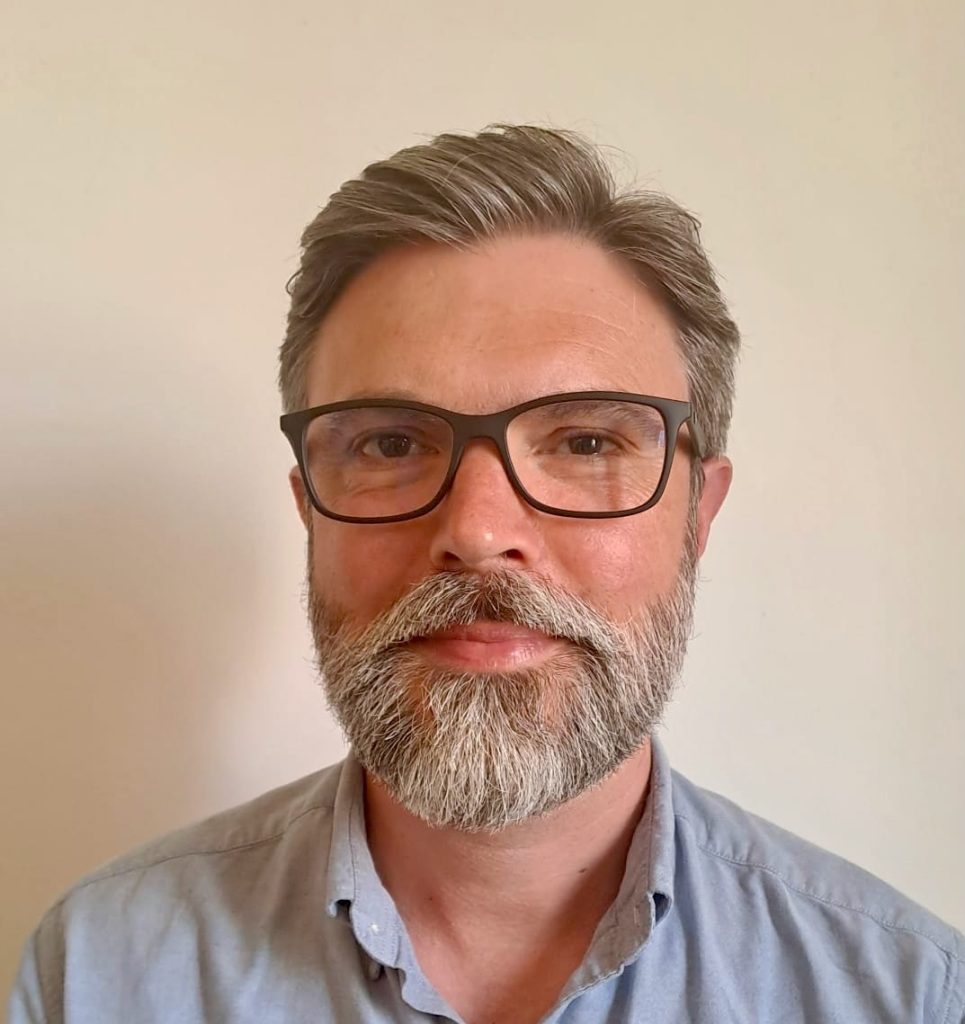
Samuel Smith
I am a Registered Member of the British Association for Counselling and Psychotherapy (BACP) and practise in accordance with their Ethical Framework. I hold a Postgraduate Diploma in Existential Psychotherapy and Counselling from the New School of Psychotherapy and Counselling, London. Alongside my clinical practice, I am engaged in doctoral research jointly with the New School and Middlesex University, exploring how gender shapes therapeutic relationships, particularly in the context of working with women who have experienced trauma. This ongoing work continues to deepen my commitment to a therapeutic practice that is inclusive, reflective and sensitive to the dynamics of power, identity and social context.
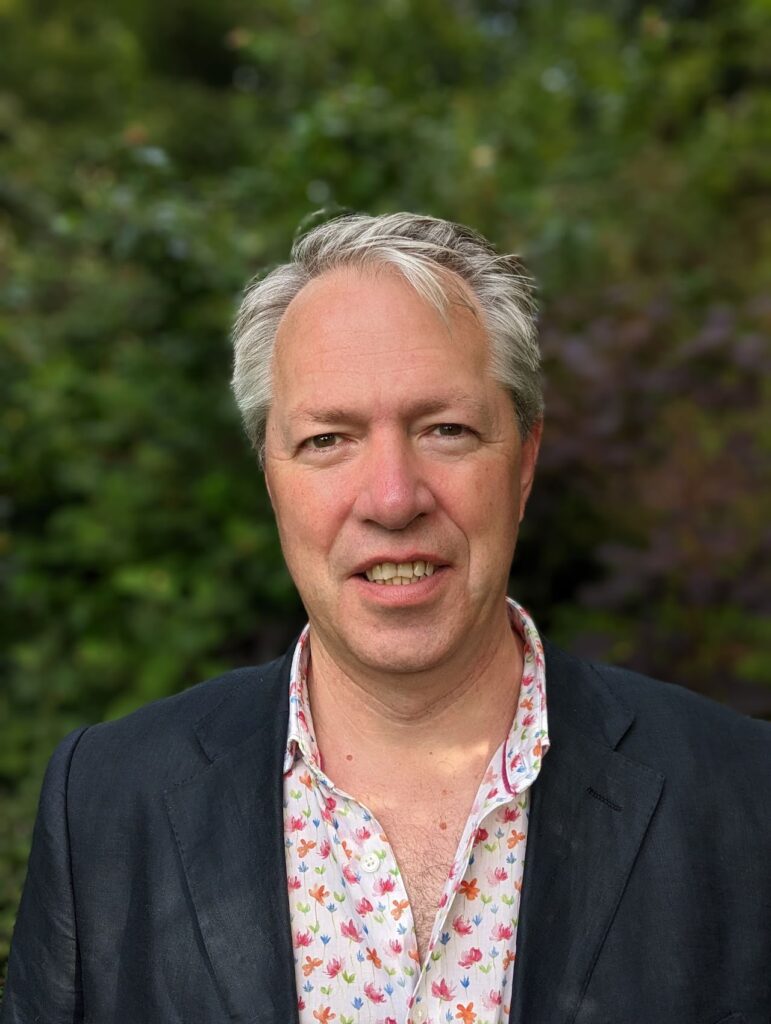
Oliver Fallon
I offer specialist therapy for eating disorders and OCD, on Zoom or face-to-face. I have extensive experience working in these areas in the NHS at South West London and St Georges NHS Mental Health Trust. For OCD I use CBT with ERP designed collaboratively with you to tackle your particular themes. For eating disorders we focus on stability using a meal plan and decoupling body image from food.
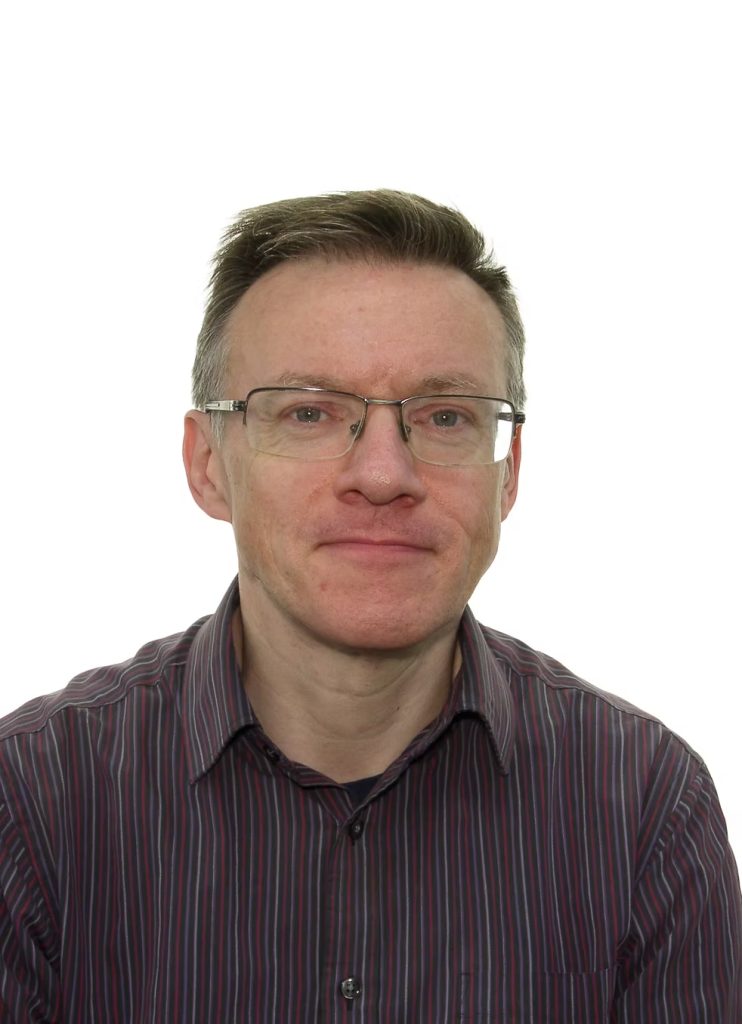
Richard Mann
As a therapist, I currently work for the NHS and work in private practice. I work with Anxiety, Depression and Trauma and specialise in Addiction, Relationship Issues (Infidelity, Intimacy issues and compulsive sexual behaviour ), LGBTQIA+ and Neurodiversity (Autistic and ADHD clients ) . I believe that therapy should be tailored specially for your individual needs – whether depression, anxiety, self-esteem or PTSD – and I provide a relaxed, safe space where you can feel free to share your issues confidentially and without judgement.
Vicki Power
Vicki is an integrative therapist working with individuals and couples
Daisy Marsh
I am a dedicated therapist with experience in both online and face-to-face counselling. My focus lies in offering personalised support and helping individuals and couples navigate through challenges such as anxiety and depression.
Nick Stewart
I am an experienced Cognitive Behavioural Therapist. I trained at Kings College London, in the Institute of Psychiatry, Psychology & Neuroscience (IOPPN), graduating in 2018.
Siobhan Maguire-Swartz
Whatever your reasons for seeking therapy, I am here to listen and support you. I will focus on you with care, compassion, empathy and a non-shaming approach. I work in an integrated way combining different techniques and approaches from a range of styles to best suit clients as we get to know each other. I tailor my approach to best suit your hopes and goals and (most importantly) to stay alongside you in your process. Counselling and Therapy is an organic, evolving, mutual, process where client and therapist collaborate in relationship to support growth. I adapt my style as the work progresses to help achieve your aims. Therapy can be difficult, it’s not a quick fix and it can be painful to look back at traumatic experiences, memories, or current difficulties. That is why I will go at your pace, paying close attention to your needs, staying in constant dialogue, pausing or slowing down when needed. It is important you feel secure within the confidential setting, to explore your issues, so that the work can help to safely heal and transform. I trained in the Humanistic style, meaning I integrate a range of psychotherapeutic theories including: Gestalt Therapy, Transactional Analysis, Person-Centred Therapy and Relational techniques. Having worked with my body as a dance artist for nearly 20 years, I am able to offer a more embodied, somatic-based approach if requested.