

Written by Luisa Kos
Table of contents


Understanding ADHD and Autism
What is ADHD
- Maintaining attention on tasks
- Following instructions or completing projects
- Impulse control and emotional regulation
- Restlessness or excessive movement
- Forgetfulness and time management
What is Autism?
- Difficulty understanding social cues or non-verbal communication
- A strong preference for routine and predictability
- Intense interests in specific topics
- Sensory sensitivities (e.g., to noise, textures, or lights)
- Differences in emotional expression and regulation
Getting a diagnosis for ADHD or Autism
- Clinical interviews and developmental history
- Behavioural observations
- Questionnaires or rating scales completed by the individual and/or caregivers
Treatment & support for ADHD and Autism
There is no “cure” for ADHD or autism, but with the right support, individuals can develop strategies to manage challenges and thrive.
Therapies & interventions
- Cognitive Behavioural Therapy (CBT) – Can help with emotional regulation, managing anxiety, and improving executive functioning skills.
- Occupational therapy – Supports sensory integration and daily life skills.
- Speech & language therapy – Helps with communication difficulties and social interaction.
- Behavioural Coaching & Executive Function Support – Particularly useful for ADHD to help with organisation and planning.
Medication (For ADHD)
- Stimulant medications (e.g., methylphenidate, lisdexamfetamine) can help improve focus and impulse control.
- Non-stimulant options are also available for those who experience side effects.
- Medication should always be considered alongside behavioural strategies.
Self-Help strategies for ADHD & Autism
- Create structure & routine – Consistent daily habits can reduce anxiety and improve productivity.
- Use visual aids & reminders – Lists, planners, or phone alerts can help with organisation.
- Practice self-regulation techniques – Deep breathing, sensory breaks, or movement can help manage overstimulation.
- Seek community & support – Connecting with others who share similar experiences can be empowering.
I am different, not less.
Dr. Temple Grandin, professor and autism advocate.
Find a specialist
If you suspect you or a loved one may have ADHD or autism, speaking to a healthcare professional can provide clarity and access to the right support. Whether through therapy, coaching, or self-help strategies, individuals with ADHD and autism can lead fulfilling and successful lives.
Therapists who can help with ADHD and Autism
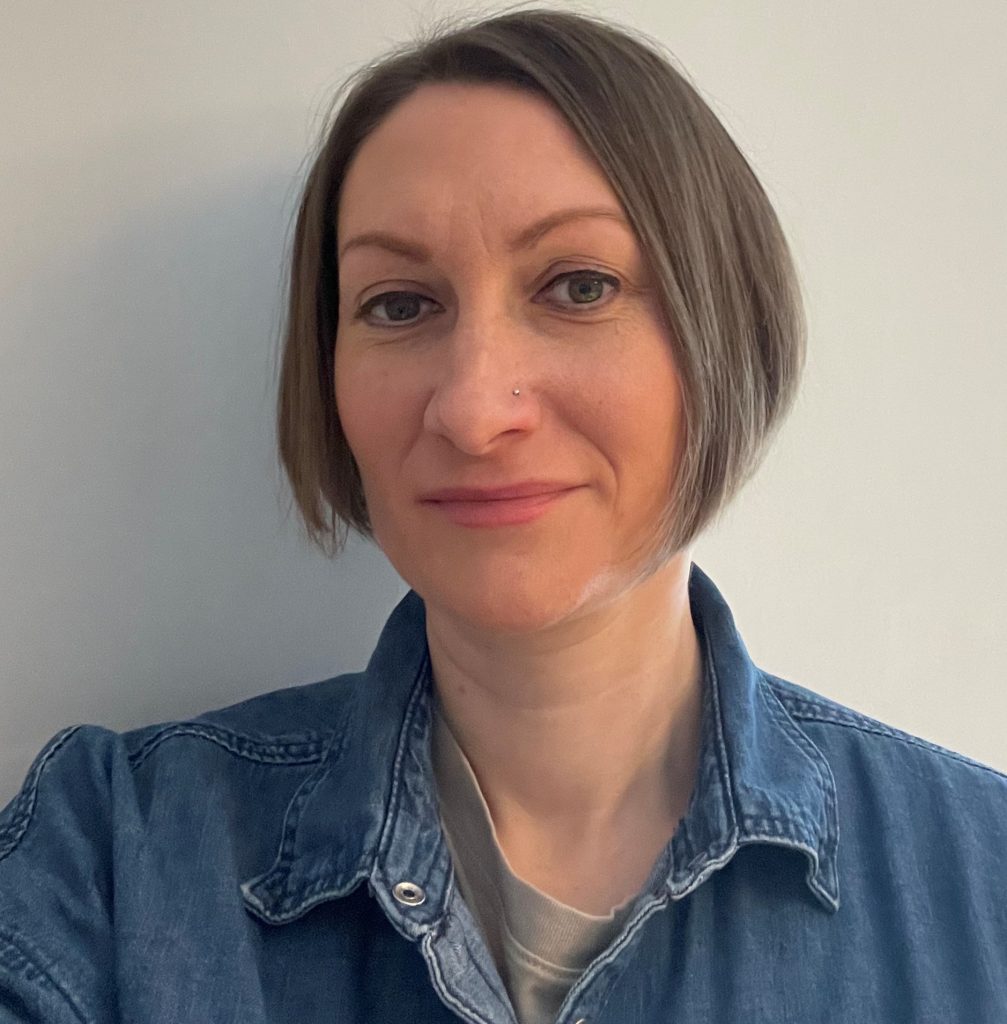
Siobhan Maguire-Swartz
Whatever your reasons for seeking therapy, I am here to listen and support you. I will focus on you with care, compassion, empathy and a non-shaming approach. I work in an integrated way combining different techniques and approaches from a range of styles to best suit clients as we get to know each other. I tailor my approach to best suit your hopes and goals and (most importantly) to stay alongside you in your process. Counselling and Therapy is an organic, evolving, mutual, process where client and therapist collaborate in relationship to support growth. I adapt my style as the work progresses to help achieve your aims. Therapy can be difficult, it’s not a quick fix and it can be painful to look back at traumatic experiences, memories, or current difficulties. That is why I will go at your pace, paying close attention to your needs, staying in constant dialogue, pausing or slowing down when needed. It is important you feel secure within the confidential setting, to explore your issues, so that the work can help to safely heal and transform. I trained in the Humanistic style, meaning I integrate a range of psychotherapeutic theories including: Gestalt Therapy, Transactional Analysis, Person-Centred Therapy and Relational techniques. Having worked with my body as a dance artist for nearly 20 years, I am able to offer a more embodied, somatic-based approach if requested.
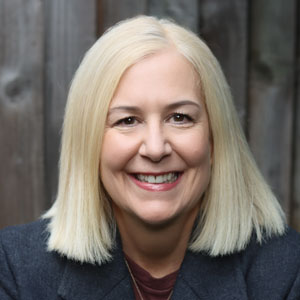
Vicki Power
Vicki is an integrative therapist working with individuals and couples

James Crossland
I am an integrative counsellor with experience working with individuals and couples, specialising in relationship and attachment issues, childhood trauma, and patterns rooted in early relational experiences. My work includes supporting clients with anxiety, depression, low self-esteem, addiction and problematic behaviours, burnout, and major life transitions. Prior to qualifying as a counsellor, I worked for many years in the creative industries as an international music producer, which gives me a strong understanding of high-pressure, performance-driven environments and informs my work with creatives and professionals.

Samuel Smith
I am a Registered Member of the British Association for Counselling and Psychotherapy (BACP) and practise in accordance with their Ethical Framework. I hold a Postgraduate Diploma in Existential Psychotherapy and Counselling from the New School of Psychotherapy and Counselling, London. Alongside my clinical practice, I am engaged in doctoral research jointly with the New School and Middlesex University, exploring how gender shapes therapeutic relationships, particularly in the context of working with women who have experienced trauma. This ongoing work continues to deepen my commitment to a therapeutic practice that is inclusive, reflective and sensitive to the dynamics of power, identity and social context.

Steve Altman
I am a UKCP-accredited psychotherapist with a background in frontline mental health support, including work as a Samaritan, peer support worker, and co-ordinator of a suicide-prevention respite sanctuary. I have extensive experience supporting people with trauma, emotional distress, and suicidal thoughts. This work has shaped a calm, compassionate way of working that helps people reconnect with meaning, creativity, and their capacity for life.

Dafina Ganeva
I started my psychotherapy career as a volunteer of the bereavement team in St.Christopher’s hospice.
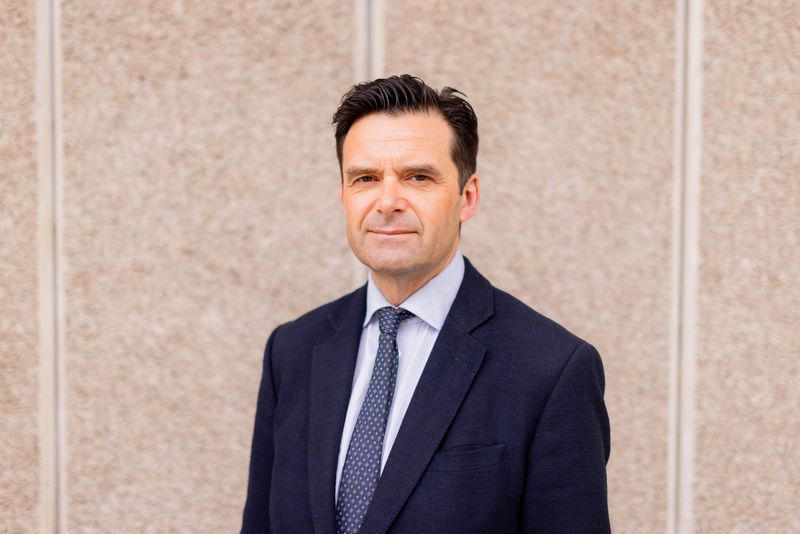
Eoghan Naughton
I am a BPS chartered counselling psychologist with extensive experience and skills in working with psychological and emotional problems in the NHS and other settings. I offer short-term, long-term and open-ended therapy at my office in Fitzrovia. I offer a safe and confidential treatment setting and seek to facilitate therapeutic progress towards healing and living a more fulfilling life. I am accredited with the BPC (British Psychoanalytic Council) as a dynamic interpersonal therapist and supervisor. Areas of Specialism Extensive experience in workng with trauma, depression, anxiety, high stress work related issues, relatiional difficulties and many other varied presentations. Personal Approach Person centred approach focusing on understanding the conscious and unconscious aspects of a person’s psychology in order to help with mental pain.
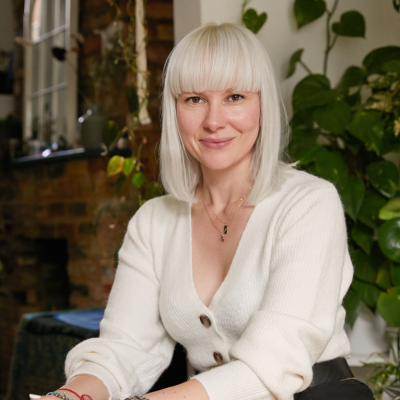
Claudia Behnke
I am a qualified couples counsellor and psychotherapist based in Westcliff-on-Sea (near Chalkwell Park), offering therapy in person and online via Zoom. I specialise in relationship counselling, attachment-based work, and relational patterns, helping couples and individuals improve communication, strengthen emotional connection, and navigate relationship challenges. My primary couples modality is Terry Real’s Relational Life Therapy (RLT), an evidence-based approach focused on accountability, emotional honesty, and building secure, respectful partnerships. I also have specialist experience working with codependency and love addiction, supporting clients to move out of unhealthy relational dynamics and develop healthier boundaries and self-worth. I work with a wide range of issues including relationship conflict, emotional disconnection, infidelity, trust issues, intimacy concerns, anxiety, self-esteem, identity transitions, and life stress. My practice is inclusive and affirming, welcoming clients of all genders, sexual orientations, relationship structures, and cultural backgrounds. My integrative approach draws on Relational Life Therapy (RLT), trauma-informed therapy (Janina Fisher), Psychodynamic therapy, Imago relationship therapy, and Transpersonal psychology, allowing sessions to be tailored to each client’s unique needs and goals.

Javier Calatrava
Transpersonal Integrative Psychotherapist

Richard Mann
As a therapist, I currently work for the NHS and work in private practice. I work with Anxiety, Depression and Trauma and specialise in Addiction, Relationship Issues (Infidelity, Intimacy issues and compulsive sexual behaviour ), LGBTQIA+ and Neurodiversity (Autistic and ADHD clients ) . I believe that therapy should be tailored specially for your individual needs – whether depression, anxiety, self-esteem or PTSD – and I provide a relaxed, safe space where you can feel free to share your issues confidentially and without judgement.
Treatment for ADHD & Autism
ADHD treatment options
Therapy & behavioural interventions
- Cognitive Behavioural Therapy (CBT) – Helps with emotional regulation, impulsivity, and managing negative thought patterns.
- Behavioural coaching & executive function Support – Teaches organisation, time management, and coping skills.
- Parent training & support programmes – Helps parents understand ADHD and implement effective strategies for children.
- Social skills training – Supports individuals in developing better interpersonal relationships.
Medication for ADHD
Medication is often recommended for moderate to severe ADHD and can be highly effective in improving focus, impulse control, and emotional regulation. Common types include:
Lifestyle & self-help strategies
- Routine & structure – Keeping a daily schedule can improve focus and reduce forgetfulness.
- Exercise & movement – Regular physical activity can help regulate energy levels and improve concentration.
- Mindfulness & relaxation techniques – Breathing exercises and meditation can support emotional regulation.
- Diet & nutrition – While not a cure, a balanced diet can support brain function and overall well-being.
Autism treatment & support
Unlike ADHD, there are no medications that directly treat autism itself. Instead, therapy and personalised support strategies help individuals develop skills, manage sensory sensitivities, and improve communication.
Therapeutic interventions for Autism
- Speech & language therapy – Helps with communication skills, social interaction, and understanding verbal and non-verbal cues.
- Occupational therapy – Supports sensory regulation and daily living skills.
- Applied Behaviour Analysis (ABA) – A structured approach that teaches behavioural and social skills (though it is controversial and not suitable for everyone).
- Social skills training – Helps autistic individuals navigate social interactions and relationships.
Medication for Autism-Related challenges
While there’s no medication for autism itself, some medications can help manage co-occurring conditions like anxiety, depression, or ADHD symptoms. Doctors may prescribe:
- Selective Serotonin Reuptake Inhibitors (SSRIs) – To help with anxiety or depression.
- Stimulants or Non-Stimulants – If the individual also has ADHD symptoms.
- Melatonin – To support sleep issues, which are common in autism.
Lifestyle & sensory support
- Creating predictable routines – Reduces anxiety and supports daily functioning.
- Using visual aids & timers – Helps with transitions and communication.
- Sensory-Friendly environments – Adjusting lighting, sound, and textures to minimise sensory overload.
- Self-Advocacy & support networks – Joining autism-friendly communities can provide emotional support and resources.
Finding the right support
Both ADHD and autism benefit from early intervention and ongoing personalised strategies. Whether through therapy, coaching, medication, or lifestyle adjustments, tailored support can empower individuals to thrive in their own way.