

Written by Luisa Kos
Table of contents


Understanding anxiety and depression
Anxiety and depression are among the most common mental health challenges, yet they can feel deeply personal and isolating. They can affect your mood, thoughts, behaviours, and even physical health. Anxiety might manifest as excessive worry, restlessness, irritability, or panic attacks, while depression often brings persistent sadness, lack of motivation, fatigue, and a sense of hopelessness.
These struggles can impact relationships, work performance, sleep, and overall quality of life. Left untreated, they can become chronic patterns that feel difficult to escape. However, with the right support and therapeutic approach, you can regain a sense of balance, control, and fulfilment in your life.
Signs You might benefit from therapy
It’s normal to experience stress, sadness, or worry from time to time, but when these feelings become persistent, overwhelming, or interfere with daily life, professional support can help. You might benefit from therapy if you:
- Feel anxious, restless, or on edge most of the time
- Experience panic attacks or a constant sense of dread
- Have trouble sleeping or suffer from chronic fatigue
- Struggle to concentrate or feel mentally foggy
- Avoid social situations or activities you once enjoyed
- Feel emotionally numb or disconnected from others
- Battle with self-criticism, low self-worth, or guilt
- Have persistent negative thoughts or intrusive worries
- Experience mood swings or irritability
- Feel exhausted, unmotivated, or struggle to complete daily tasks
- Use unhealthy coping mechanisms like excessive drinking, overeating, or withdrawing from loved ones
If any of these resonate, seeking therapy could be an important step towards healing and relief.
How therapy for anxiety and depression can help
Therapy provides a structured, supportive, and non-judgmental space where you can explore your feelings, understand the root causes of your struggles, and develop healthier coping mechanisms. Some of the key benefits of therapy include:
- Gaining clarity on your emotions, triggers, and behavioural patterns
- Learning practical strategies to manage anxiety, panic, or depressive episodes
- Breaking negative thought cycles that fuel self-doubt, fear, and hopelessness
- Building emotional resilience to navigate stress, uncertainty, and life’s challenges
- Improving relationships by fostering better communication and emotional connection
- Reconnecting with yourself and rediscovering meaning, motivation, and joy
Therapy isn’t just about talking; it’s about developing real-life tools and insights to help you feel better, think more clearly, and make meaningful changes in your life.
Therapeutic approaches for anxiety and depression
There is no single approach to therapy that works for everyone. Depending on your needs, therapy may incorporate different methods, including:
Cognitive Behavioural Therapy (CBT)
CBT is one of the most effective treatments for anxiety and depression. It helps identify and change unhelpful thought patterns and behaviours, replacing them with healthier alternatives. It is structured, practical, and goal-oriented.
Psychodynamic Therapy
This approach explores past experiences and unconscious patterns that may be contributing to your anxiety or depression. It is particularly helpful for those who feel stuck in recurring emotional struggles.
Mindfulness-Based Therapy
Techniques such as mindfulness meditation and grounding exercises can help you stay present, manage racing thoughts, and reduce emotional overwhelm.
Compassion-Focused Therapy (CFT)
For those struggling with self-criticism or perfectionism, CFT helps develop self-compassion and emotional resilience.
Somatic Therapy
Since anxiety and depression can manifest physically (such as tightness in the chest, headaches, or fatigue), somatic therapy integrates the mind-body connection to promote healing.
Integrative Approach
Many therapists use an integrative approach, combining different therapeutic methods to create a personalised path towards healing.
What to expect in therapy
If you’re new to therapy, it’s natural to feel uncertain about what to expect. Here’s how the process typically unfolds:
- Initial session: This is an opportunity to explore your concerns, challenges, and goals in a safe and confidential space.
- Understanding your patterns: Together, we will identify patterns of thinking and behaviour that may be contributing to your anxiety or depression.
- Developing strategies: You will learn practical tools and coping techniques tailored to your specific needs.
- Building emotional resilience: Over time, therapy will help you develop a healthier relationship with your thoughts, emotions, and behaviours.
- Sustained progress: The goal is not just symptom relief but lasting personal growth and well-being.
Therapy is a journey, and change takes time. However, even small shifts in mindset and behaviour can lead to significant improvements in your quality of life.
Take the first step
Therapy helped me understand that depression is not a sign of weakness. It’s an illness, and like any illness, it needs treatment, care, and management.
Joshua G - Student
Finding the right therapist for you
Not every therapist is the right fit for everyone. Here are some things to consider when choosing a therapist:
- Experience & specialisms: Do they have experience working with anxiety, depression, or related concerns such as trauma or burnout?
- Therapeutic style: Do they take a structured, practical approach or a more exploratory, reflective one?
- Comfort & connection: Do you feel safe, understood, and comfortable sharing with them?
- Evidence-based approaches: Do they use scientifically supported methods like CBT, mindfulness, or psychodynamic therapy?
A good therapist will support you without judgment and help you gain insight, confidence, and tools to manage life’s challenges more effectively.
Find a specialist
Finding the right therapist for anxiety and depression is a crucial step towards healing and personal growth. A good therapist should provide a safe, non-judgmental space where you feel understood and supported. Look for someone with experience in treating anxiety and depression, ideally using evidence-based approaches such as Cognitive Behavioural Therapy (CBT), Psychodynamic Therapy, or Mindfulness-Based techniques. Consider their therapeutic style—whether you prefer a structured, goal-oriented approach or a more open, exploratory process. It’s also important to feel a genuine connection with your therapist, as trust and rapport play a key role in effective therapy. Many therapists offer an initial consultation, which can help you determine if their approach aligns with your needs. The right therapist will not only help you manage symptoms but also empower you to develop healthier coping strategies and create lasting change.

Joggs Camfield
Every person is unique, experiencing an individual journey that sometimes can become difficult to navigate. We can lose our way and the challenges and obstacles we face are hard to negotiate alone.

Lucie Nalletamby
I am a Clinical Psychologist with over a decade of experience working in the NHS and private practice. I have worked in the NHS since 2011, providing assessment and treatment for adults, young people and families experiencing a wide range of mental health difficulties as a result of experiences of trauma. Alongside working in the NHS, I have been in private practice since 2017, where I specialise in trauma-focused therapy. Since qualifying, I have completed a number of specialist trainings including EMDR, CBT, NET and Schema-focussed Therapy. I draw on these to provide tailored and individual therapy. I work with individuals who have experienced single-incident trauma, such as accidents and assaults, as well as complex trauma, including childhood abuse, neglect, domestic violence, discrimination and other experiences that can lead to complex PTSD.

Samuel Smith
I am a Registered Member of the British Association for Counselling and Psychotherapy (BACP) and practise in accordance with their Ethical Framework. I hold a Postgraduate Diploma in Existential Psychotherapy and Counselling from the New School of Psychotherapy and Counselling, London. Alongside my clinical practice, I am engaged in doctoral research jointly with the New School and Middlesex University, exploring how gender shapes therapeutic relationships, particularly in the context of working with women who have experienced trauma. This ongoing work continues to deepen my commitment to a therapeutic practice that is inclusive, reflective and sensitive to the dynamics of power, identity and social context.

Amandeep Chana
It is important to me that I create a safe, warm and welcoming environment for you to be yourself. I know that sometimes we can feel like the world is against us.

Dafina Ganeva
I started my psychotherapy career as a volunteer of the bereavement team in St.Christopher’s hospice.

Luq Adejumo
I have Master’s degree (MSc) in Person-centred psychotherapy and a Diploma in Contemporary Person-centred psychotherapy from The Metanoia Institute

Katherine Watt
I’m a warm, perceptive and experienced therapist, trained in the person-centred approach. Person-centred counselling offers a supportive space in your life, where you can explore your feelings and experiences at whatever pace is comfortable for you.

Oliver Fallon
I offer specialist therapy for eating disorders and OCD, on Zoom or face-to-face. I have extensive experience working in these areas in the NHS at South West London and St Georges NHS Mental Health Trust. For OCD I use CBT with ERP designed collaboratively with you to tackle your particular themes. For eating disorders we focus on stability using a meal plan and decoupling body image from food.

Eric Bettelheim
Unlike most psychotherapists I have substantial experience in the professions, business and academia.
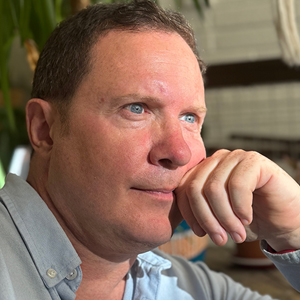
Nick Stewart
I am an experienced Cognitive Behavioural Therapist. I trained at Kings College London, in the Institute of Psychiatry, Psychology & Neuroscience (IOPPN), graduating in 2018.
Our experts
Our content is reviewed by professionals. Find out more
Trust our content
We are a PIF TICK ‘trusted information creator’. This means you can be assured that what you are reading is evidence-based, understandable, jargon-free, up-to-date and produced to the best possible standard.
All content was accurate when published.